

Line Stop Heads & Sealing Elements
Critical Components for Pipeline Isolation Line stop heads and sealing elements are essential components used in live pipeline isolation during maintenance, tie-ins, or emergency repairs. Together, they enable safe, controlled blockage of flow in pressurized systems without requiring shutdown.
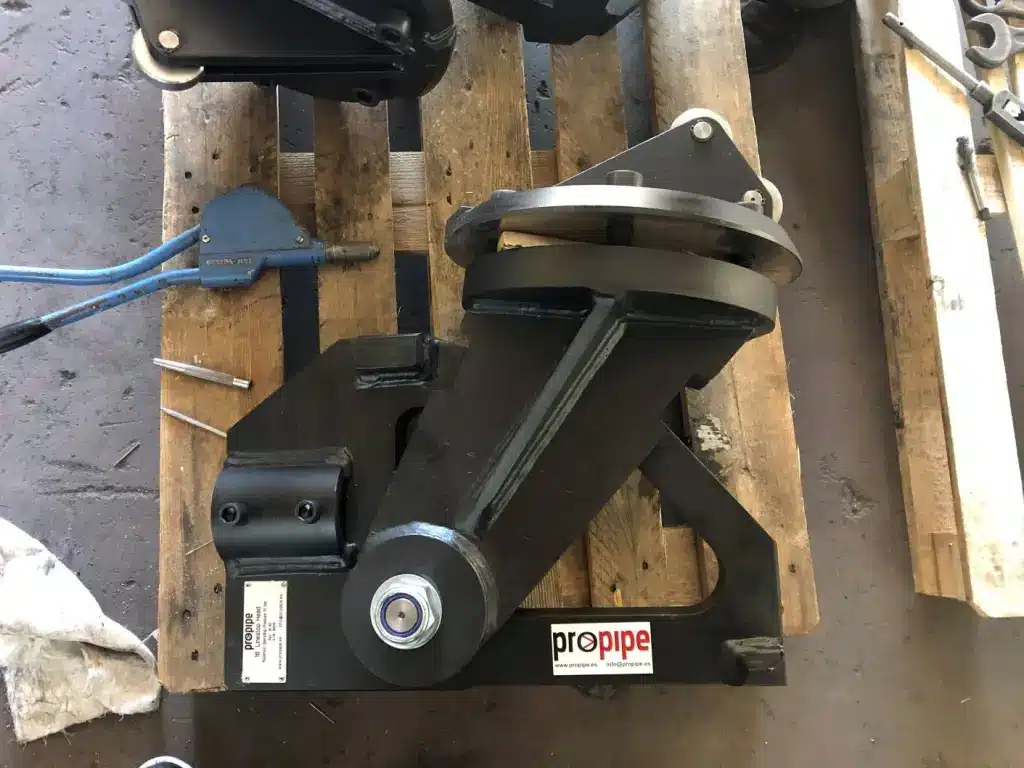
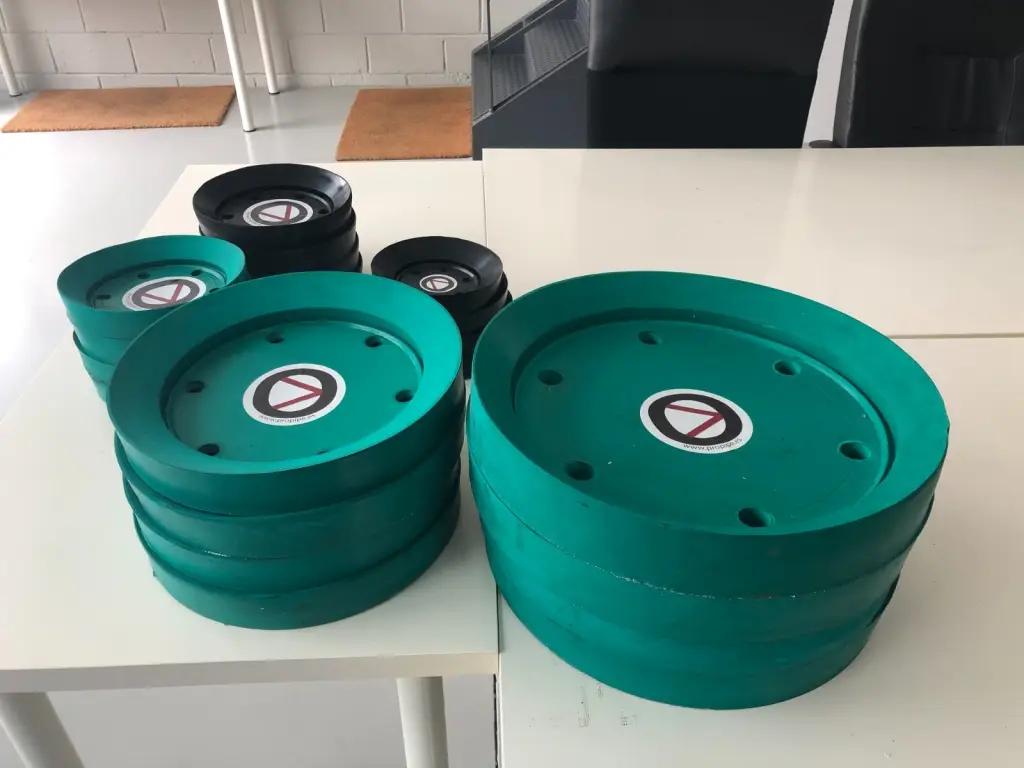
The sealing element and line stop head work together as a coordinated system to isolate flow in a live pipeline without depressurization. Here’s how they function in tandem:
Step-by-Step Interaction
- Deployment Through a Hot Tap
- A hot tap is performed to create an access point on the pressurized pipeline.
- The line stop head is inserted through a valve and fitting using a mechanical or hydraulic actuator.
- Positioning the Line Stop Head
- Once inside the pipeline, the line stop head is rotated or extended into position.
- It acts as the primary mechanical barrier, designed to match the pipe’s internal diameter.
- Engaging the Sealing Element
- The sealing element, typically made of elastomeric material (e.g., Viton or Nitrile), is integrated into or mounted around the head.
- It expands or compresses to form a tight seal against the pipe wall, preventing fluid from bypassing the plugging head.
- Maintaining Isolation
- With the seal engaged, the system can withstand internal pressure and temperature, allowing crews to safely work downstream.
- The sealing element ensures leak-free isolation, even under dynamic flow conditions.
Line Stop Heads and Sealing Elements: Specifications
General Specifications: Propipe Line Stop Heads and Sealing Elements
| Function | Line stop heads (stopples) mechanically stop flow after a hot tap; sealing elements seal against the pipe wall |
|---|---|
| Pipeline Sizes | ID from 2″ to 56″ |
| Design Pressure | Up to 1,480 psi (102 bar) |
| Fit | Manufactured to fit closely to the pipeline’s internal diameter |
| Reinforcement | Reinforced for high-pressure applications |
| Compatibility | Compatible with most major brands of line stop fittings |
Maximum working limits: defined by two points: a maximum working pressure at a specified temperature and a maximum working temperature at a specified lower pressure. The head can be operated at any pressure up to a straight line drawn between those two points on a pressure-temperature diagram. It is the end user’s responsibility to make sure the head is not attached to a system whose operating conditions exceed those limits.
Line Stop Heads
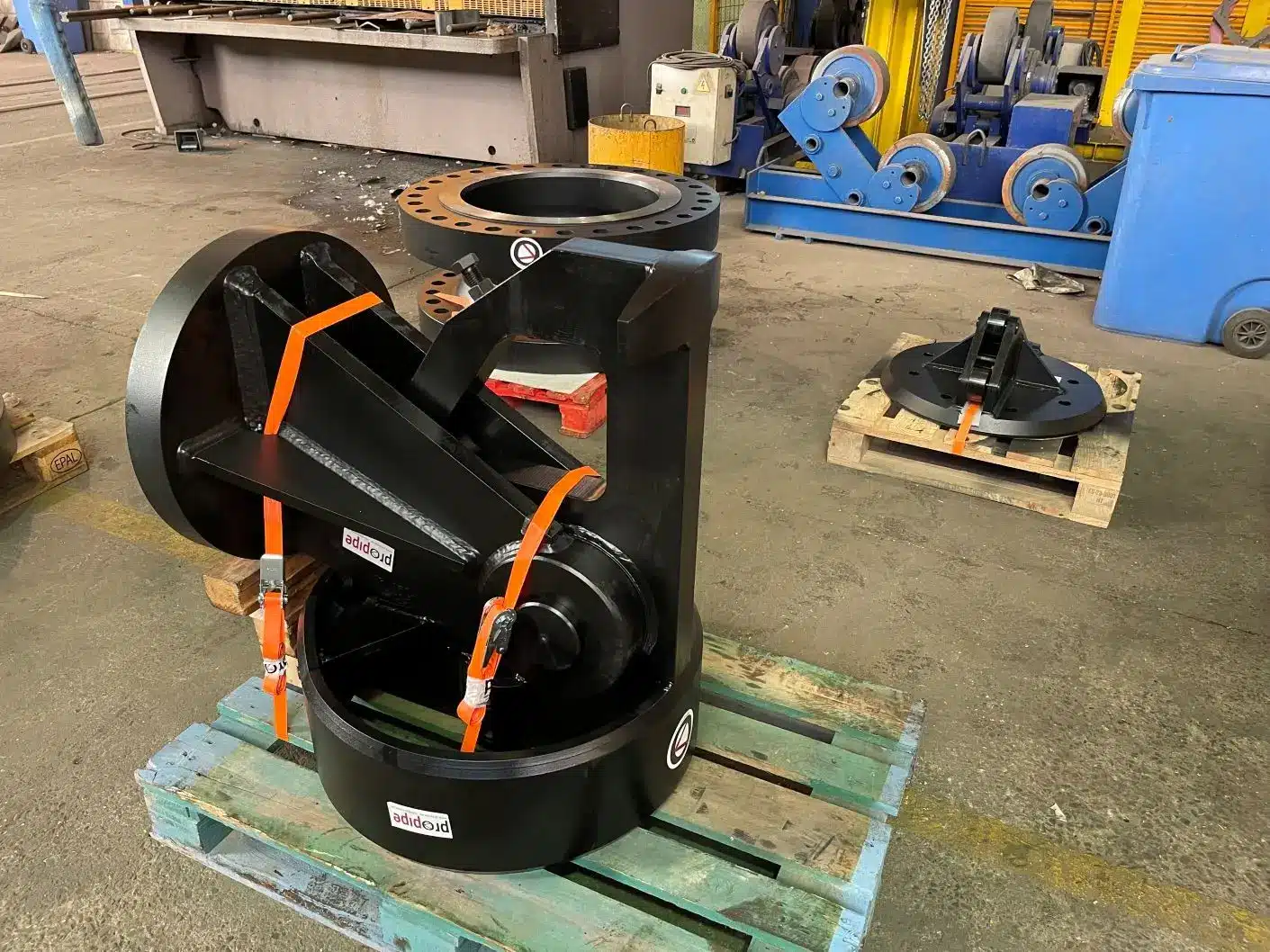
Line stop heads, also known as stopples, are used after a hot tap operation to mechanically stop the flow within a pipeline. They are introduced into the pipeline by a line stop actuator and are manufactured to fit very closely to the pipeline’s internal diameter.
| Pipeline Sizes | ID from 2″ to 56″ |
|---|---|
| Maximum Working Pressure | 1,480 psi (102 bar) at 180°F (82.2°C) |
| Maximum Working Temperature | 250°F (121.2°C) at 800 psi (55.16 bar) |
| Reinforcement | Reinforced for high-pressure applications |
| Compatibility | Compatible with most major brands of line stop fittings |
| Part Number Format | PLH-00-0000 |
Line stop heads listed on the data sheet:
| Size | Class 150# | Class 300# | Class 600# |
|---|---|---|---|
| 4″ | PLH-04-15 | PLH-04-30 | PLH-04-60 |
| 6″ | PLH-06-15 | PLH-06-30 | PLH-06-60 |
| 8″ | PLH-08-15 | PLH-08-30 | PLH-08-60 |
| 10″ | PLH-10-15 | PLH-10-30 | PLH-10-60 |
| 12″ | PLH-12-15 | PLH-12-30 | PLH-12-60 |
| 14″ | PLH-14-15 | PLH-14-30 | PLH-14-60 |
| 16″ | PLH-16-15 | PLH-16-30 | PLH-16-60 |
| 18″ | PLH-18-15 | PLH-18-30 | PLH-18-60 |
| 20″ | PLH-20-15 | PLH-20-30 | PLH-20-60 |
| 22″ | PLH-22-15 | PLH-22-30 | PLH-22-60 |
| 24″ | PLH-24-15 | PLH-24-30 | PLH-24-60 |
| 26″ | PLH-26-15 | PLH-26-30 | PLH-26-60 |
| 30″ | PLH-30-15 | PLH-30-30 | PLH-30-60 |
| 32″ | PLH-32-15 | PLH-32-30 | PLH-32-60 |
| 34″ | PLH-34-15 | PLH-34-30 | PLH-34-60 |
| 36″ | PLH-36-15 | PLH-36-30 | PLH-36-60 |
Weights for each part number are on the line stop heads data sheet (PDF).
Sealing Elements
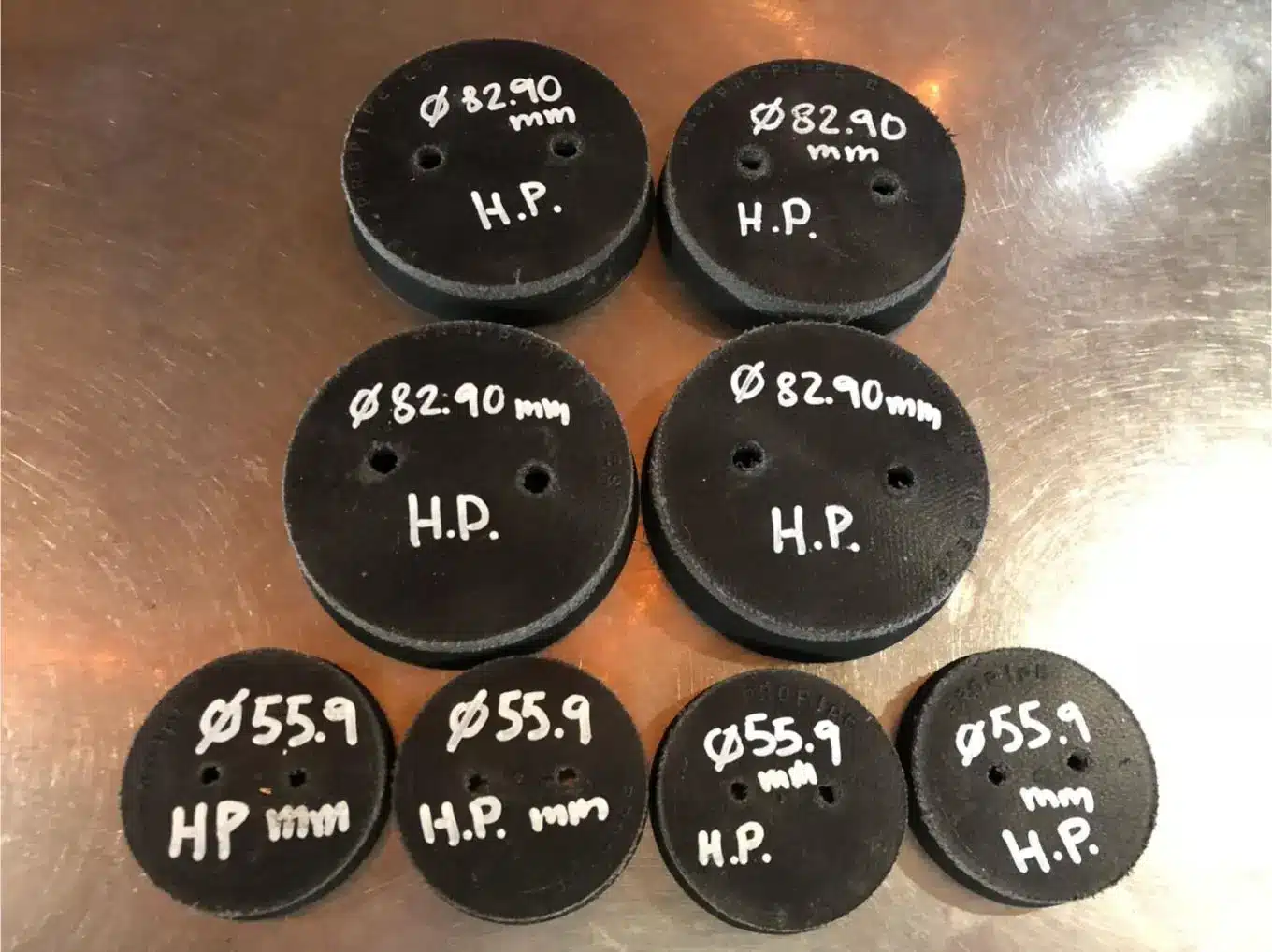
Sealing elements mount on the head and seal against the pipe wall to block flow.
| Sizes | Pipeline IDs from 2″ to 56″ |
|---|---|
| Design Pressure | Up to 1,480 psi (102 bar) |
| Materials | Nitrile (Buna-Nitrile), Viton, Teflon or other polymers; silicone sealing elements for high temperature |
| Supply | Drilled and machined to size, or drilled and unmachined, per customer requirements |
| Reinforcement | Reinforced for high-pressure or high-temperature applications |
When ordering, please state the pipe inside diameter, the contents and the operating pressure.
Storage (Buna-Nitrile sealing elements):
- Store horizontally on a flat surface. Cylindrical spacers may be used to stack elements vertically, provided they are located centrally on the backing section.
- Store in a well-ventilated, dark area at 50°F to 86°F (10°C to 30°C).
- Maximum service temperature: 248°F (120°C).
- Not recommended for storage or service with chlorinated solvents, strong oxidizing chemicals or fuels, or solvents with a high aromatic content.
- Do not subject the side surfaces to external loading that may cause deformation.
- Shelf life: 2 to 5 years if stored correctly.
See the sealing elements data sheet (PDF).
Online Tools for Pipeline Safety & Standards


Frequently Asked Questions
Line Stop Head Basics
What is a line stop head?
A line stop head, also known as a stopple, is used after a hot tap operation to mechanically stop the flow within a pipeline. It is introduced into the pipeline by a line stop actuator.
How does a line stop head and sealing element work together?
After the hot tap, the actuator inserts the head through the slim valve and fitting. The sealing element on the head seals against the pipe wall to block flow so work can be done downstream.
Why must the head fit the pipe ID closely?
Line stop heads must be manufactured to fit very closely to the pipeline’s internal diameter to stop the flow effectively.
Sizes and Ratings
What sizes are available?
Line stop heads and sealing elements are available for pipeline IDs from 2″ to 56″. The data sheet lists heads from 4″ to 36″ in Classes 150#, 300# and 600#.
What pressure and temperature can a line stop head handle?
Maximum working pressure is 1,480 psi (102 bar) at 180°F (82.2°C), and maximum working temperature is 250°F (121.2°C) at 800 psi (55.16 bar).
Are line stop heads compatible with other brands of fittings?
Yes. Propipe line stop heads are compatible with most major brands of line stop fittings.
Sealing Elements
What materials are sealing elements made of?
Nitrile (Buna-Nitrile), Viton, Teflon or other polymers. Silicone sealing elements are available for high temperature.
What should I state when ordering sealing elements?
The pipe inside diameter, the contents and the operating pressure. Elements can be supplied drilled and machined to size, or drilled and unmachined.
What chemicals are sealing elements not suited for?
Buna-Nitrile sealing elements are not recommended for storage or service with chlorinated solvents, strong oxidizing chemicals or fuels, or solvents with a high aromatic content. Maximum service temperature is 248°F (120°C).
Storage and Shelf Life
How should sealing elements be stored?
Horizontally on a flat surface, in a well-ventilated, dark area at 50°F to 86°F (10°C to 30°C). Cylindrical spacers may be used to stack elements vertically if centered on the backing section, and the side surfaces must not be loaded.
What is the shelf life of a sealing element?
2 to 5 years if stored correctly.
Custom Line Stop Heads & Sealing Elements for Demanding Field Conditions
Enerteq delivers precision-engineered line stop heads and sealing elements built to perform under the most challenging pipeline conditions. Whether you’re working with non-standard pipe geometries, elevated pressure classes, or legacy system interfaces, our engineering team configures each component to match your exact operational blueprint.
We offer tailored solutions for:
- Line stop head configurations matched to pipe diameter, wall thickness, and pressure rating
Let’s talk specs. Share your project parameters, and we’ll deliver line stop solutions that align with your technical standards and safety culture.
Choosing a seal? Our Seal Calc recommends a seal material. For flange bolting on the same job, ESI’s EZ Calc torque calculator and hydraulic torque wrenches are available from ESI Flange Spreader Rentals, Enerteq’s flange-tool division.